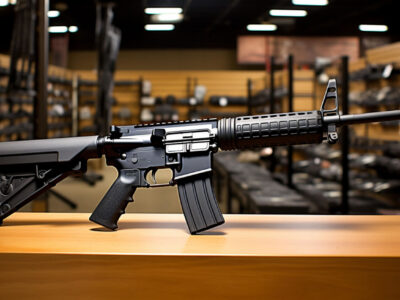
Types of Non-Lethal Weapons: Classification and Purpose
05.05.2025Author: Charles Darwin
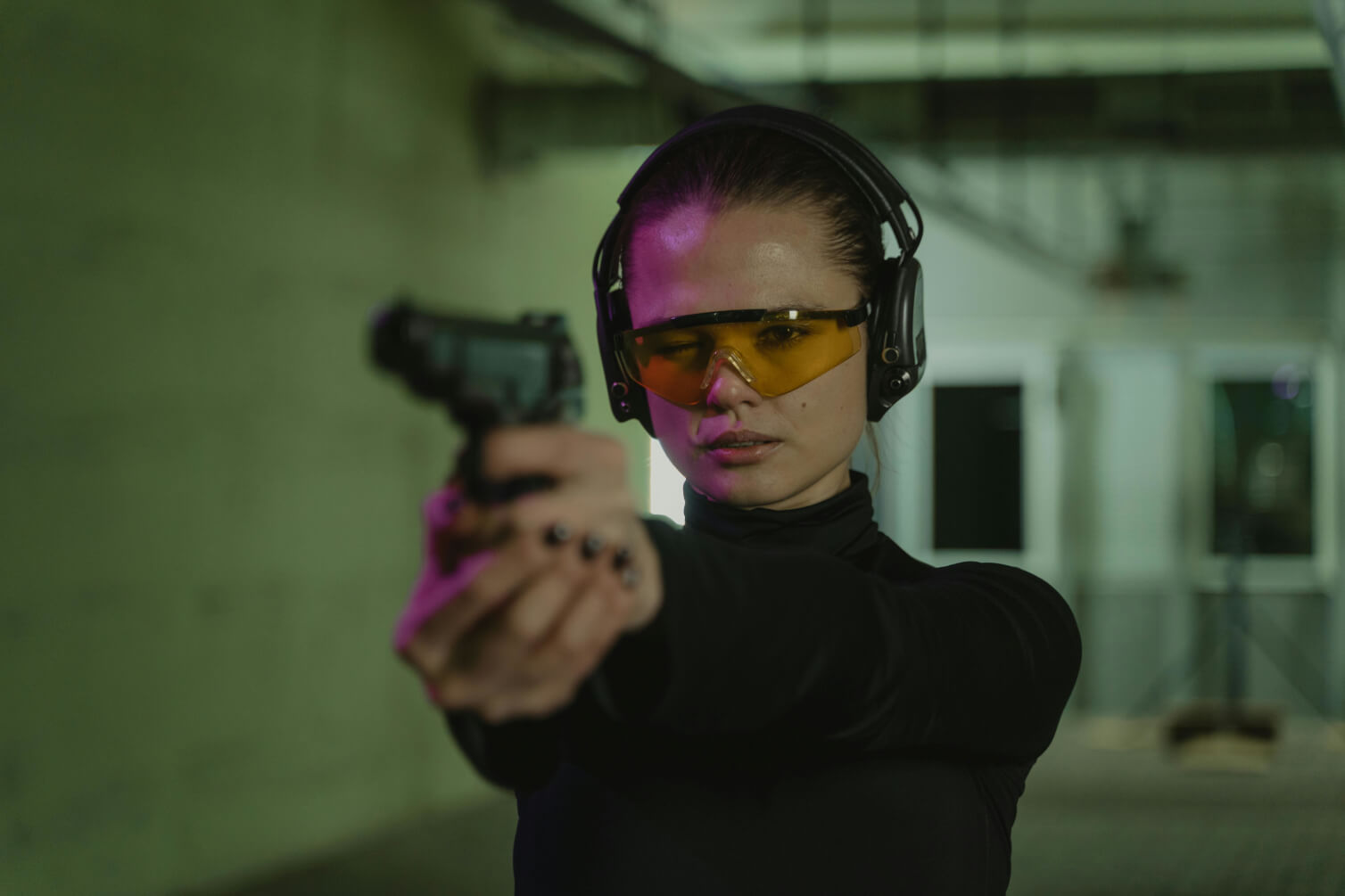
Non-lethal weapons are used for self-defense. They are designed to temporarily neutralize an opponent without causing fatal injuries, making them popular among civilians and law enforcement agencies. The easiest way to learn how to handle non-lethal weapons is in a shooting range, with the support of professional instructors.
As for purchasing, the variety of product types and operating principles can make it difficult to choose the right option. In this article, we will look at the main types and models of non-lethal weapons, their classification, and the criteria to consider when buying.
What is Non-Lethal Weapon: Purpose and Features
Non-lethal weapons or limited-damage firearms are rightfully considered one of the most in-demand means of self-defense. Alternative options to non-lethal pistols available for civilian use include pepper sprays and hunting rifles. However, each of these means has its limitations: a spray may be ineffective in windy weather or confined spaces, and a hunting rifle is bulky, noticeable, and not intended for everyday carry.
The main difference of non-lethal weapons lies in the use of special cartridges—most often rubber bullets, which have limited damaging capability. Despite having a caliber similar to steel bullets, rubber bullets have significantly less damaging power. The reason lies in their mass, energy, and design. For example, a standard firearm barrel has rifling that imparts rotation to the bullet, stabilizing it in flight. In non-lethal weapons, the barrel is usually smooth or even absent, causing the rubber bullet to move less predictably. Moreover, its kinetic energy is significantly lower, reducing both stopping and penetrating effects. That is, the main purpose of all types of non-lethal pistols is to temporarily neutralize an attacker without fatal consequences. Their use is aimed at preventing a threat, not causing serious harm.
Advantages of Non-Lethal Weapons:
Compactness — small size allows easy carrying in a pocket or even in a woman’s handbag.
Range — the weapon ensures target engagement at a fairly significant distance.
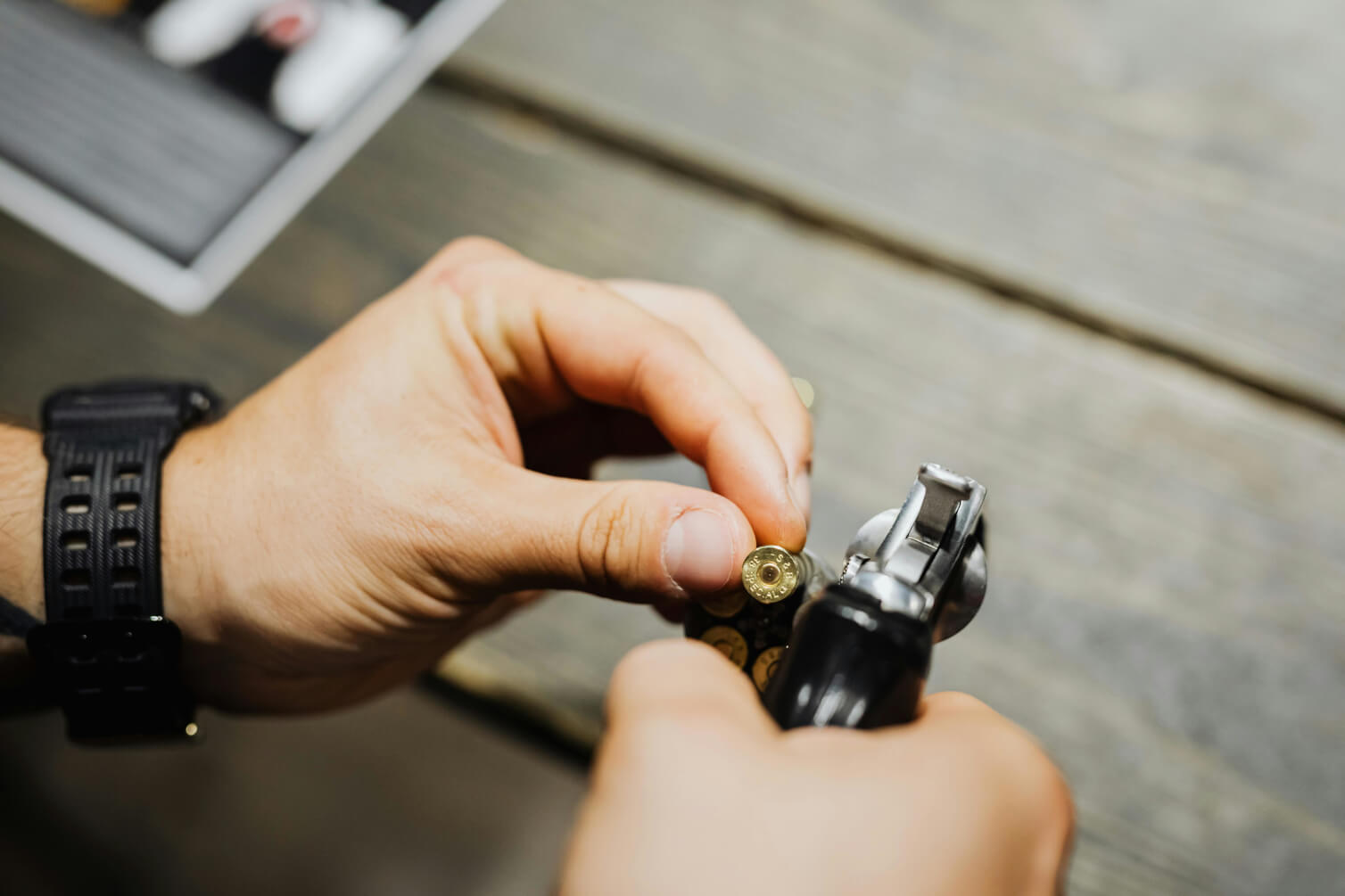
Variety of Ammunition — can use not only rubber bullets but also noise, blank, or gas cartridges.
Ability to Replace Individual Parts — the design allows for effective troubleshooting.
Ease of Use — usage does not require any complex skills.
Classification of Non-Lethal Weapons
The main types of non-lethal weapons include barrel-less firearms, non-lethal pistols and revolvers, barrel-less non-lethal weapons, gas pistols capable of firing rubber bullets. Let’s consider each category in more detail.
Semi-Automatic Pistols
Semi-automatic non-lethal pistols are mostly created based on combat models. This category holds leading positions in sales volume among all types of non-lethal weapons. Popular models include: Fort – 10R cal. 9mm, Striker FLARM TQ1 UXOR cal. 9mm, PM Berkut cal. 9 R.A., Glock 17 Gen5 MOS cal. 9 mm, and others.
Advantages of semi-automatic pistols:
High rate of fire.
Large magazine capacity.
Compactness.
Ease and speed of reloading.
Revolvers for Self-Defense
This type of non-lethal weapon has a key feature—a rotating cylinder, where each chamber simultaneously serves as a cartridge chamber. This ensures stable weapon operation and minimizes the likelihood of failure during shooting. The market offers a fairly large selection of revolvers for self-defense, such as: PNR-U-UOS cal. 9mm, SOBR “PNR-U-UOS” 9 mm R.A., Safari 820G cal. 9 mm R.A., and others.
Advantages of self-defense revolvers:
Reliability.
Quick readiness to fire.
No delays during shooting.
Barrel-Less Non-Lethal Weapons
Barrel-less weapons are considered among the most powerful among non-lethal models due to increased caliber and bullet mass. Their main feature is the absence of a barrel: the cartridge case, in which the bullet is accelerated, helps to direct the projectile.
Moreover, they lack the usual trigger mechanism, and many elements are made of plastic. Despite their external resemblance to toy models, they are full-fledged and effective means of self-defense. An additional advantage is the ability to use not only non-lethal but also light-sound, illuminating, and signal cartridges.
An example of a barrel-less non-lethal weapon model is the KORDON-6 pistol.
Gas-Non-Lethal Weapons
Gas-non-lethal weapons use special cartridges containing irritant or tear substances (irritants), as well as blank ammunition. Some products additionally perform the functions of signal weapons—with the use of special cartridges and removable muzzle attachments, they can shoot signal rockets.
The main goal of gas weapons is temporary neutralization of the opponent through the action of chemical substances. Upon firing, they disperse, causing severe irritation of mucous membranes.
Main Criteria for Choosing Non-Lethal Weapons
When choosing a type of non-lethal pistol, it is important to consider several key factors:
Caliber — affects shooting range, weapon size, and stopping power.
Rate of fire — determines the effectiveness of hitting the target.
Magazine capacity — the more cartridges, the longer you can shoot without reloading.
Size — compact models are convenient to carry, but this affects shooting accuracy.
Maintainability — some models allow for self-replacement of parts, others can only be repaired in a workshop.
Non-lethal weapons should be purchased exclusively in licensed stores, where the products are certified and meet quality standards.
More on this topic
25.05.2025
What Is a Carbine and How It Differs from a Rifle: Key Features and Purpose
What is a carbine and a rifle? These are two types of firearms with distinct features and applications. Despite their similarities, they have several important differences. In this article, we'll explain how a carbine differs from a rifle, explore their technical specifications, and discuss where ea
25.05.2025
How to extend a gun license during martial law: recommendations
Extending a weapon permit during martial law requires following special rules and procedures. This article thoroughly examines changes in legislation, necessary documents, a step-by-step guide for renewing a permit via the Diia portal, and other submission methods. Learn what reasons can lead to den
03.02.2025
The main differences between a magazine and a clip
Is there a difference between a clip and a magazine? Sometimes it is difficult to answer this question even for experienced shooters. And in this case it is not about the meaning and sense: understanding the differences allows you to correctly operate with basic concepts in the field of firearms, as
25.05.2025
What Is a Carbine and How It Differs from a Rifle: Key Features and Purpose
What is a carbine and a rifle? These are two types of firearms with distinct features and applications. Despite their similarities, they have several important differences. In this article, we'll explain how a carbine differs from a rifle, explore their technical specifications, and discuss where ea
25.05.2025
How to extend a gun license during martial law: recommendations
Extending a weapon permit during martial law requires following special rules and procedures. This article thoroughly examines changes in legislation, necessary documents, a step-by-step guide for renewing a permit via the Diia portal, and other submission methods. Learn what reasons can lead to den
03.02.2025
The main differences between a magazine and a clip
Is there a difference between a clip and a magazine? Sometimes it is difficult to answer this question even for experienced shooters. And in this case it is not about the meaning and sense: understanding the differences allows you to correctly operate with basic concepts in the field of firearms, as
Darwin Shooting Club— we do not sell firearms
Our club does not sell or resell firearms. We exist to teach safe, conscious, and responsible handling of firearms.We conduct training sessions, safety briefings, and promote a culture of informed firearm ownership.